
Commercial Building
Revolutionizing Building Security with Advanced Biometric and Access Control Systems
Enhancing Building Security with Biometric and Access Control Integration
In today’s rapidly changing security landscape, buildings—whether commercial office spaces, residential complexes, or critical infrastructure—require robust, intelligent solutions to protect both people and assets. The need for sophisticated security systems has grown significantly, particularly in high-traffic environments where access needs to be tightly controlled and monitored. One of the most effective ways to enhance security and streamline access management is through the integration of advanced biometric technology and cutting-edge access control systems. These solutions not only provide enhanced protection but also offer a level of efficiency and convenience that traditional security methods, such as physical keys or access cards, can no longer match.

The Solutions
01. The Advantages of Biometric Security in Building Access Control
Biometric security systems authenticate individuals using unique physical traits like fingerprints, facial features, or iris patterns, making them one of the most secure access control methods. Unlike passwords or access cards that can be lost or duplicated, biometric identifiers are inherently tied to the individual, ensuring only authorized personnel can access restricted areas such as executive offices, server rooms, or secure storage. A key advantage of biometric systems is their accuracy and reliability. Unlike traditional methods requiring physical tokens or passcodes, biometrics provide seamless and quick authentication. Employees, contractors, or visitors can access areas with a fingerprint scan or facial recognition, enhancing security and minimizing entry bottlenecks.
02. Enhancing Security with Biometric Access and Centralized Control
Biometric authentication ensures that only authorized personnel can access restricted zones like server rooms, laboratories, or vaults, adding an extra layer of security for sensitive data and valuable equipment. Building managers can configure access for specific individuals at designated times, effectively controlling movement throughout the building. While biometrics provide secure authentication, access control systems enhance security by offering centralized management of entry points and user permissions. Administrators can regulate access to different areas and times, and when integrated with biometrics, they provide a comprehensive security solution for physical spaces and sensitive information.
03. Cloud-Based Access Control and Integrated Security Solutions
Modern cloud-based access control systems offer flexibility and scalability, allowing building managers to adjust permissions remotely, monitor entry logs in real time, and receive alerts for suspicious activity. These systems enable centralized management of all access points, whether updating employee credentials, granting temporary visitor access, or initiating emergency lockdowns. For large buildings with multiple entry points, such as office complexes or residential facilities, access control systems integrate with security technologies like video surveillance and alarms. When an individual scans their fingerprint or face, the system cross-references their identity with the access database while monitoring surveillance cameras, enhancing security responsiveness and creating a proactive environment.
Advanced access control systems provide valuable reporting and analytics by logging every entry attempt and authorization, allowing building managers to analyze patterns or anomalies. This is crucial for facilities handling sensitive data or valuable assets, ensuring accountability and compliance with security policies and regulations.
In commercial office buildings, access control systems can restrict entry based on user roles. Visitors may receive temporary biometric access to reception, while employees access designated areas. The system tracks movements in real time, providing security personnel with data on building occupancy and ensuring all entries and exits are monitored.
The seamless integration of biometrics with access control ensures efficient operations without compromising security. Authorized users experience smooth access, while security teams can continuously monitor activity and respond swiftly to threats, preventing potential financial or reputational damage.
The Future of Building Security with Biometrics and Access Control
Biometric access control systems reduce risks associated with lost or stolen credentials. Unlike traditional keycards that can be misplaced or copied, biometric identifiers are more secure as they cannot be transferred or replicated. Additionally, encrypted biometric data storage minimizes the risk of data breaches.
The integration of biometrics and advanced access control is transforming building security by offering greater precision, convenience, and scalability than traditional methods. These systems ensure only authorized individuals access sensitive areas while providing real-time oversight. As security threats evolve, these technologies will be vital in protecting assets and ensuring occupant safety.

Other Solutions
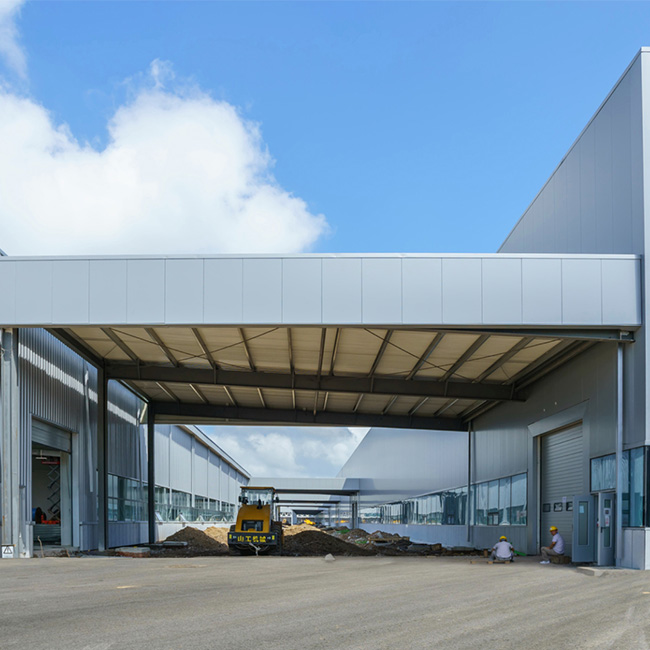
Factory plants / Oil and Gas Industry
Advanced Security Solutions for Factory Plants and Oil & Gas Industry Facilities.

Data Center
Advanced Security Solutions for Data Centers: The Role of Biometric and Access Control Systems.
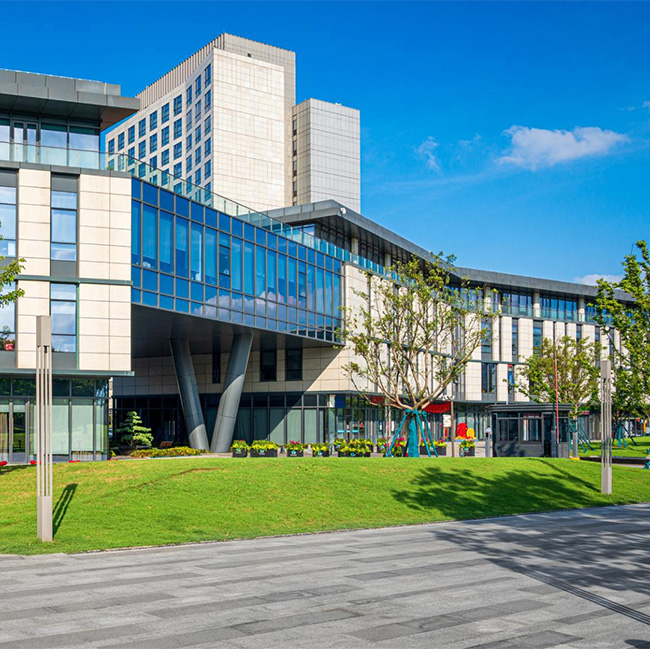
Campus
Enhancing Campus Security with Biometric and Access Control Systems.