
Campus
Enhancing Campus Security with Biometric and Access Control Systems
Enhancing Campus Security with Biometric Authentication and Access Control
As educational institutions become more connected, securing campuses has become crucial. With diverse populations of students, faculty, staff, and visitors, advanced security systems are necessary. Biometric authentication and access control systems offer a transformative solution, ensuring only authorized individuals can access sensitive areas while streamlining operations. Biometric systems, using unique traits like fingerprints, facial recognition, or iris scans, provide a higher level of security than traditional methods such as ID cards or passcodes, which can be lost or shared. In a campus environment, this added security is vital for protecting restricted areas like labs or server rooms. Beyond security, biometric systems improve efficiency by allowing students, faculty, and staff to easily access buildings without carrying cards or remembering passwords, enhancing the overall campus experience.

The Solutions
Streamlining Campus Access Management with Cloud-Based Control Systems
On campuses with heavy foot traffic, managing access to sensitive areas can be challenging. Access control systems provide a centralized solution for controlling entry and exit across multiple buildings, allowing administrators to monitor and restrict access to classrooms, research facilities, and faculty-only zones. Cloud-based access control systems offer significant advantages over traditional systems, providing remote management, flexibility, and scalability. Administrators can grant temporary access to visiting professors or contractors and easily revoke it when no longer needed, ensuring continuous security. This adaptability is essential for large campuses where access needs often change.
Elevating Campus Security with Integrated Biometric and Access Control Systems
Integrating biometric systems with access control platforms enhances campus security by ensuring only verified individuals can enter restricted areas. For example, students may use fingerprints for dormitory access, while faculty can use facial recognition for lab entry. The system logs access attempts in real-time, creating an audit trail that helps monitor compliance and detect suspicious activity. These systems also improve campus safety in emergencies by allowing administrators to remotely lock doors, restrict access, or review video feeds. The cloud-based nature of these systems enables swift, centralized control, ensuring rapid responses to security threats.
Enhancing Campus Compliance and Efficiency with Biometric Access Control
Biometric and access control systems not only strengthen physical security but also help campuses comply with privacy and regulatory standards, protecting sensitive data such as student records and faculty research. By using secure biometric data, campuses reduce the risk of data breaches and ensure compliance. The system's ability to track and report access events provides an auditable record for audits and investigations. Additionally, these systems improve operational efficiency by automating access management, allowing security personnel to focus on strategic tasks and reducing the burden of managing physical access cards.
Strengthening Campus Safety and Trust with Biometric Access Control
Biometric authentication and access control systems create a safer, more secure environment for the entire campus community. These systems allow students to focus on studies, faculty to conduct research, and staff to work in a protected space. The ease of use and enhanced security foster trust and confidence, making safety and privacy top priorities. In conclusion, integrating biometric and access control systems improves campus security, streamlines administrative processes, and enhances overall safety. As security threats evolve, these technologies will continue to play a crucial role in maintaining safe and conducive learning environments.

Other Solutions
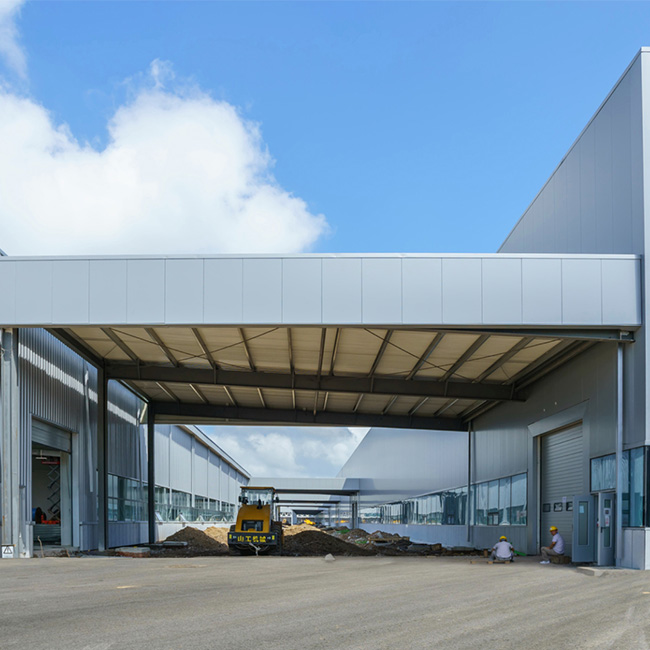
Factory plants / Oil and Gas Industry
Advanced Security Solutions for Factory Plants and Oil & Gas Industry Facilities.

Commercial Building
Revolutionizing Building Security with Advanced Biometric and Access Control Systems.

Data Center
Advanced Security Solutions for Data Centers: The Role of Biometric and Access Control Systems.